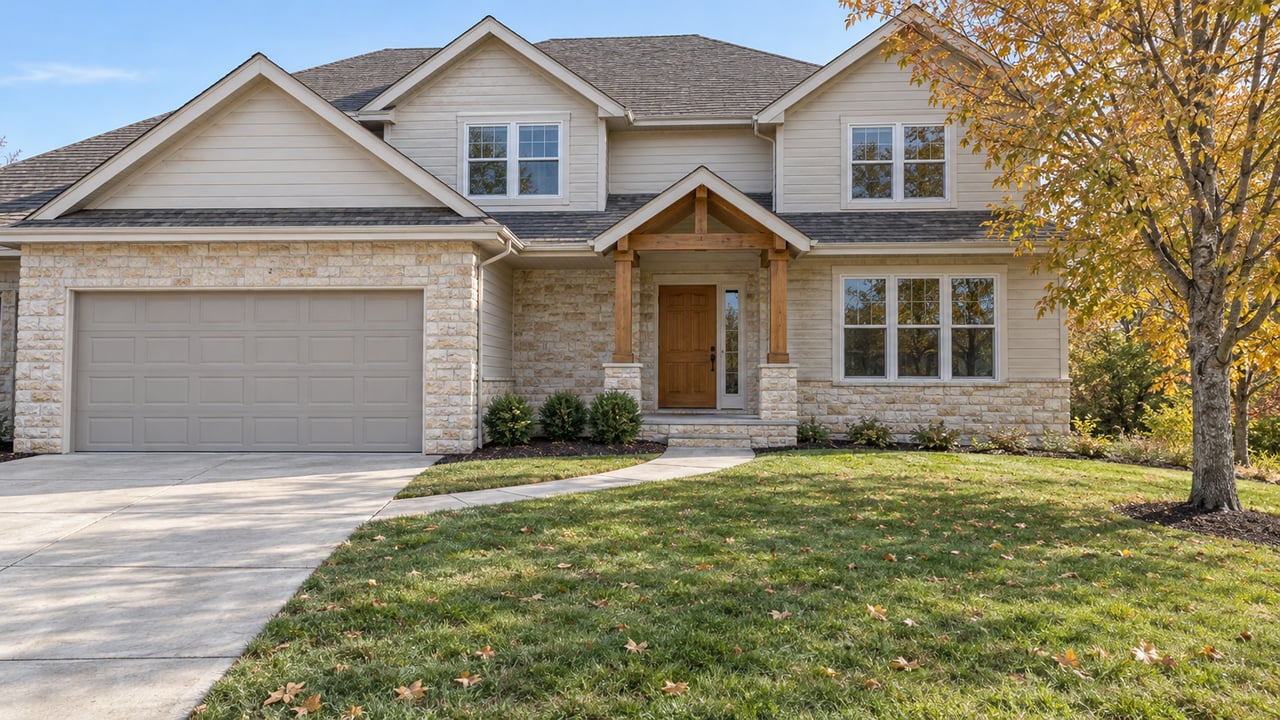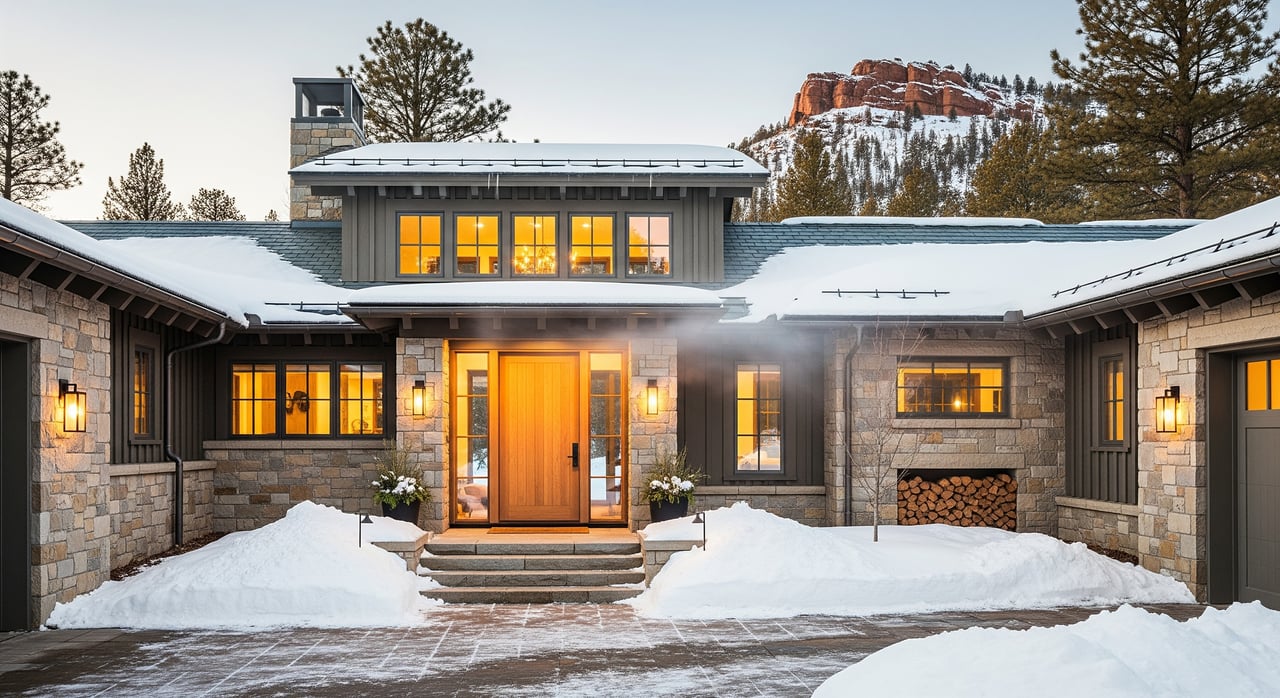
You live at 6,200 feet in Castle Rock, where winter can be sunny at lunch and icy by dinner. That quick swing from melt to refreeze is tough on roofs, gutters, irrigation lines, and concrete. If you stay ahead of it, you protect your home’s value and make spring listing prep a lot easier. This guide gives you a clear, season-by-season plan tailored to Castle Rock so you can prevent damage, save money, and enter spring showing-ready. Let’s dive in.
Why Castle Rock winters are unique
Castle Rock’s elevation brings stronger sun by day and sharp cooling overnight. That creates frequent freeze–thaw cycles that stress shingles, flashing, gutters, driveways, and irrigation systems. Snowfall can be moderate, yet ice remains a risk because of these daily temperature swings.
The ground freezes and expands, which can split shallow irrigation lines and damage exposed hose bibs. Backflow prevention is standard on many irrigation systems in Colorado, and testing may be required. Confirm the current requirements with the Town of Castle Rock Utilities before winter.
If your neighborhood has an HOA, review your rules for snow and ice. Some associations contract sidewalk or private-road services, while homeowners handle driveways and front walks. Knowing who does what helps you plan your deicer and removal strategy.
Your winter timeline at a glance
Early autumn: September to October
- Schedule your irrigation system winterization and any required backflow testing.
- Book a furnace or heat pump tune-up and replace filters.
- Inspect the roof and attic. Note any loose shingles, flashing issues, or ventilation concerns.
- Clean gutters and confirm that downspouts move water well away from the foundation.
- Service snow equipment and stock an appropriate deicer for walkways.
- Start a folder for maintenance receipts and notes for future buyer confidence.
Late autumn: October to November
- Complete your professional irrigation blowout before sustained freezing.
- Shut off and winterize exterior faucets and insulate exposed piping.
- Add gutter guards if desired and make sure downspout extensions are in place.
Winter: December to February
- Watch for ice dams after storms and during warm-cold cycles.
- Use a roof rake from the ground to clear excess snow at eaves.
- Verify safe heating. Test smoke and carbon monoxide detectors after big storms.
- Clear walkways and driveways promptly and apply deicer as needed.
Late winter: February to March
- Plan roof and gutter repairs once snow recedes. Check for leaks and shingle damage.
- Inspect the foundation, grading, and hardscape for freeze–thaw damage.
- Schedule irrigation start-up and any spring landscape work early.
Irrigation winterization
Castle Rock’s freeze depth and daily temperature swings make irrigation a top priority. When water remains in lines and valves, it expands as it freezes. That can crack pipes, manifolds, and backflow assemblies.
- Turn off your irrigation controller and isolate the zone valves. Shut down at the main and close automatic valves.
- Hire a certified irrigation technician for a compressed-air blowout. Pros use the right pressure to clear water without harming lines.
- Drain or remove the backflow assembly if allowed by the utility. If removal is not permitted, insulate it and follow the manufacturer’s winterization steps.
- Insulate above-ground valves, manifold boxes, and hose bibs with foam covers or heat tape where appropriate.
- Keep the service receipt and note the date. Documentation reassures future buyers.
Timing in Castle Rock is usually October to November, before sustained sub-freezing nights. DIY is possible for simple systems, but improper pressure can cause costly damage. For most homeowners, a pro is the safer choice.
Roof and gutter care
Your roof and gutters are on the front lines of Castle Rock’s sun and overnight chill. Keep water moving away from your home to prevent leaks, ice dams, and foundation issues.
- Inspect your roof for missing or curling shingles, loose flashing, and compromised chimney seals. Make small repairs before winter.
- Clean gutters and downspouts thoroughly. Ensure downspouts discharge well away from the foundation. Add extensions or splash blocks if needed.
- Check attic insulation and ventilation. The goal is a roof deck that stays near outdoor temperature to reduce melting and refreezing.
Ice dam prevention
- Seal gaps that let warm air into the attic, such as around recessed lights and vent penetrations.
- Establish continuous soffit-to-ridge ventilation and adequate insulation.
- Keep gutters clear so meltwater has a path off the roof.
- If an ice dam forms, remove snow above the area with a roof rake from the ground. For stubborn ice or unsafe conditions, call a roofing professional.
- De-icing cables can help at the roof edge in problem areas. They are a supplement, not a replacement for insulation and ventilation improvements.
Winter roof safety
Avoid walking on a snowy or icy roof. Use a roof rake from the ground and stay clear of falling snow. For heavy snow loads or risky situations, hire a licensed contractor.
Heating, air, and indoor safety
A tuned heating system keeps you comfortable and safe while helping lower energy costs.
- Schedule an annual inspection for your furnace or heat pump. Confirm combustion safety and thermostat calibration.
- Replace HVAC filters before the cold season and set a reminder to change them mid-winter.
- Service fireplaces and chimneys. Clean and cap the chimney if needed.
- Test smoke and carbon monoxide detectors. Replace batteries and confirm placement per manufacturer guidance.
During storms, ensure exterior vents and intakes are clear of snow. If you have a cold-climate heat pump, ask your HVAC pro about settings and any supplemental heat needs.
Ice and snow on walks and drives
You want traction and safety with minimal damage to concrete and landscaping.
- Choose calcium chloride or magnesium chloride deicers for low temperatures. They perform better than rock salt on cold days.
- Use the minimum amount needed. Pre-treating before ice forms can reduce total product use.
- Avoid urea-based deicers near lawns. For pets, select products labeled pet-safe and follow directions.
- Shovel or plow promptly to prevent compaction and refreeze. For steep or long driveways, consider a professional service. Confirm HOA rules for shared areas.
Exterior, pipes, and foundation protection
Cold snaps can freeze exposed plumbing and push water toward your foundation. A few small steps pay off all winter.
- Disconnect garden hoses, drain exterior faucets, and install insulated covers on hose bibs.
- Insulate exposed pipes in garages, crawlspaces, and other unheated areas. Locate your main shutoff so you can respond quickly to a rupture.
- Check that soil slopes away from your foundation. Confirm that downspout extensions are intact to move water well away from the house during melt periods.
- Test your sump pump, if present, and confirm any battery backup.
- On decks and patios, cover or store furniture. Use a compatible deicer on walking surfaces and avoid products that can damage stone or pavers.
Prep now to shine in spring
If you plan to sell this spring, winter maintenance helps you hit the market looking move-in ready. Buyers notice clean gutters, a healthy roofline, and safe, dry walkways.
- Schedule roof and gutter repairs for late winter so everything is complete before photos and showings.
- Plan irrigation start-up and landscape touch-ups early to give lawns and beds time to green up.
- Keep a record of winter services. Receipts for the irrigation blowout, furnace tune-up, roof work, gutter cleaning, and chimney service build buyer confidence.
- Gather HOA documents, snow service contracts, and any water utility backflow test records for your disclosure packet.
DIY or hire a pro
Some tasks are perfect for a handy homeowner. Others are safer and more cost-effective with a licensed contractor.
- Reasonable DIY: gutter clearing before snow, HVAC filter changes, alarm testing, insulating hose bibs, shoveling walkways, and using a roof rake from the ground.
- Call a pro: irrigation blowouts for most systems, roof repairs and shingle replacement, ice dam removal, gas appliance servicing, chimney sweeping, and any electrical or structural work.
- Vetting tips: ask for local references, proof of insurance and licensing, written estimates, and clear warranties. Choose contractors familiar with Front Range high-elevation winters.
When you maintain with a Castle Rock mindset, you prevent avoidable repairs and keep your home market-ready. If selling is on your horizon, a clean winter playbook leads to a smoother spring.
If you want a tailored plan for listing prep, timing, and what to prioritize for your price point, reach out to Lane Lyon. As your local advisor, Lane can coordinate a smart pre-market checklist, connect you with trusted pros, and position your home for a strong launch. Contact Lane Lyon to request a free home valuation or consultation.
FAQs
When should Castle Rock homeowners winterize irrigation?
- Schedule your blowout in autumn before sustained sub-freezing nights, commonly October to November, and adjust based on the forecast and contractor availability.
How do I prevent ice dams on Castle Rock roofs?
- Improve attic insulation and ventilation, seal warm-air leaks into the attic, keep gutters clean, and remove snow from roof edges with a roof rake after storms.
What deicer works best for cold Castle Rock days?
- Use calcium chloride or magnesium chloride for better performance at low temperatures, apply sparingly, and select pet-safe products when needed.
Are carbon monoxide detectors necessary in winter?
- They are strongly recommended on each level and near sleeping areas if you have combustion heating or an attached garage. Test them and replace batteries before cold season.
What should I document for a spring home sale?
- Keep receipts and notes for irrigation blowouts, HVAC tune-ups, roof and gutter work, chimney cleaning, plus HOA disclosures and any backflow test records.
Which winter tasks should I hire out in Castle Rock?
- Hire licensed pros for irrigation blowouts, roof repairs and ice dam removal, gas appliance service, chimney sweeping, and any electrical or structural work.