Wondering why two homes in Highlands Ranch can feel completely different even when they share the same ZIP code? That is one of the biggest surprises for buyers here. If you are comparing neighborhoods, home styles, and lifestyle fit, this guide will help you understand how Highlands Ranch is organized and what really changes from one area to another. Let’s dive in.
How Highlands Ranch Is Set Up
Highlands Ranch is an unincorporated master-planned community in Douglas County. According to HRCA, it spans about 22,000 acres, with the first residents moving in during 1981. The community is divided into four named areas: Eastridge, Westridge, Northridge, and Southridge.
It is also a highly planned community in terms of land use. HRCA says roughly 61% of the area is non-urban use, 31% is residential, and 8% is business. That planning framework helps explain why some parts feel centered on open space and trails, while others feel closer to shopping, services, and mixed-use activity.
Another important layer is governance. Every homeowner is part of the Highlands Ranch Community Association, or HRCA, and some neighborhoods also have sub-associations with separate boards and fees. For most owners, the 2026 master assessment is $696 per year, or $174 per quarter.
Why Home Style Matters Here
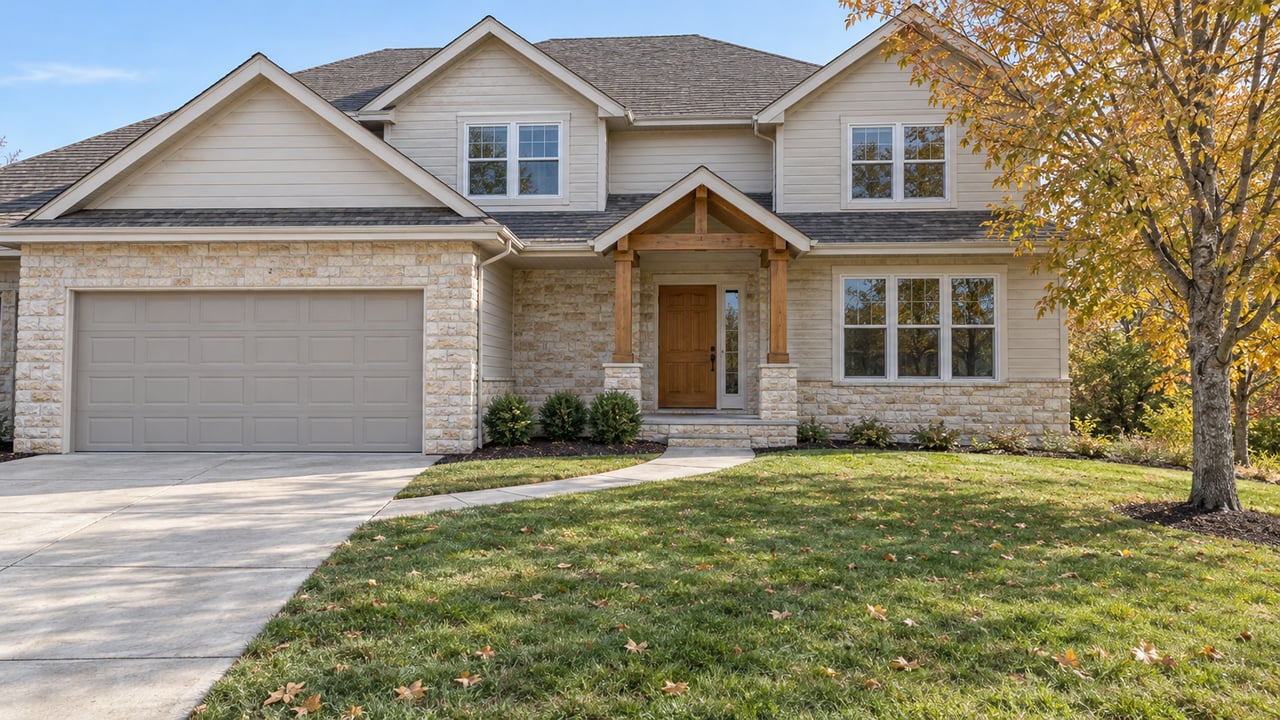
In many suburbs, you can sort homes mainly by size or age. In Highlands Ranch, it helps to think in terms of micro-markets. The community includes detached single-family neighborhoods, attached homes, patio-home enclaves, golf-course-adjacent areas, gated luxury sections, and mixed-use residential pockets.
That means your best fit may depend less on bedroom count and more on how you want to live day to day. Do you want lower exterior maintenance, direct trail access, a gated setting, or a location closer to shops and services? Highlands Ranch offers all of those, but not in the same places.
Detached Single-Family Neighborhoods
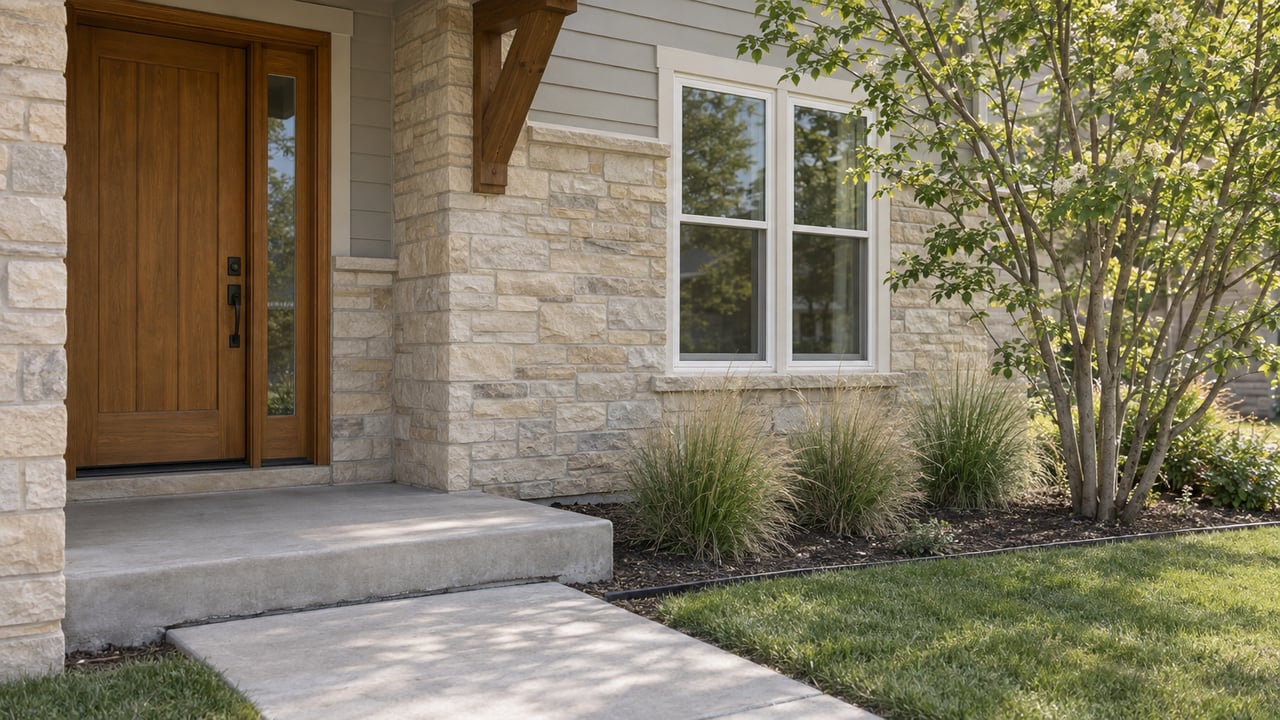
Detached single-family homes are one of the core housing types in Highlands Ranch. Douglas County’s planned-development guide allows traditional, contemporary, and cluster projects, which helps explain the variety you will see across the community. HRCA also notes that housing ranges from first-time-buyer product to custom homes.
Some detached-home neighborhoods are built around more conventional suburban patterns. Others reflect the planned-development framework with smaller lots, patio or garden space, and shared open areas. As you tour homes, you may notice that lot size, backyard setup, and street layout can vary as much as the house itself.
For buyers who want a classic suburban format, this is often where the broadest selection sits. It can also be a strong category for move-up buyers who want more square footage, more yard space, or a different position within the community.
Townhomes, Condos, And Attached Living
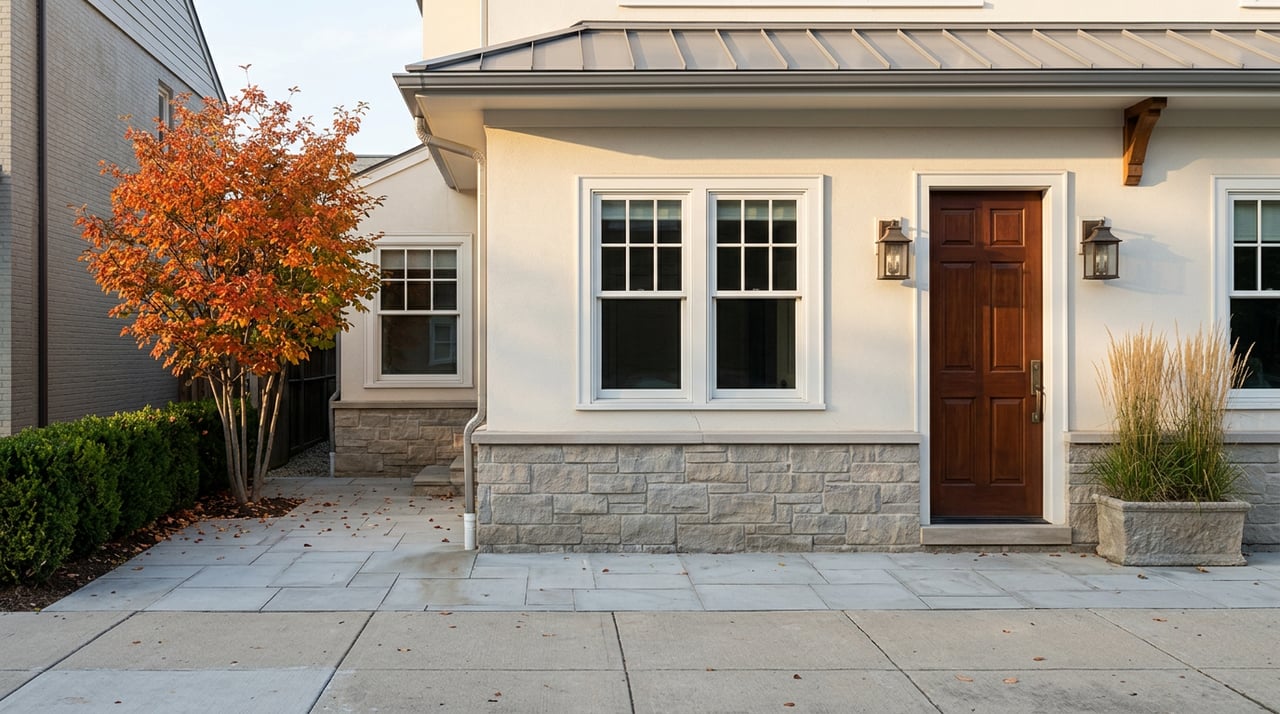
If you are looking for lower-maintenance living, Highlands Ranch has a meaningful attached-home segment. HRCA’s sub-association list includes examples such as Clocktower Residences Condominiums and Townhomes, Tresana Townhomes, Highland Walk Condominiums, Brownstones at Town Center, and Palomino Park.
These areas often appeal to buyers who want less exterior upkeep and a more lock-and-leave lifestyle. They can also offer a different feel from the detached-home sections, especially in places where residential living is closer to shops, services, and community activity.
Palomino Park is one of the clearest examples of this category. Its community description includes apartments and townhomes, making it a useful reference point for buyers trying to picture a more urban-feeling or maintenance-light option within Highlands Ranch.
Patio Homes And Downsizing Options
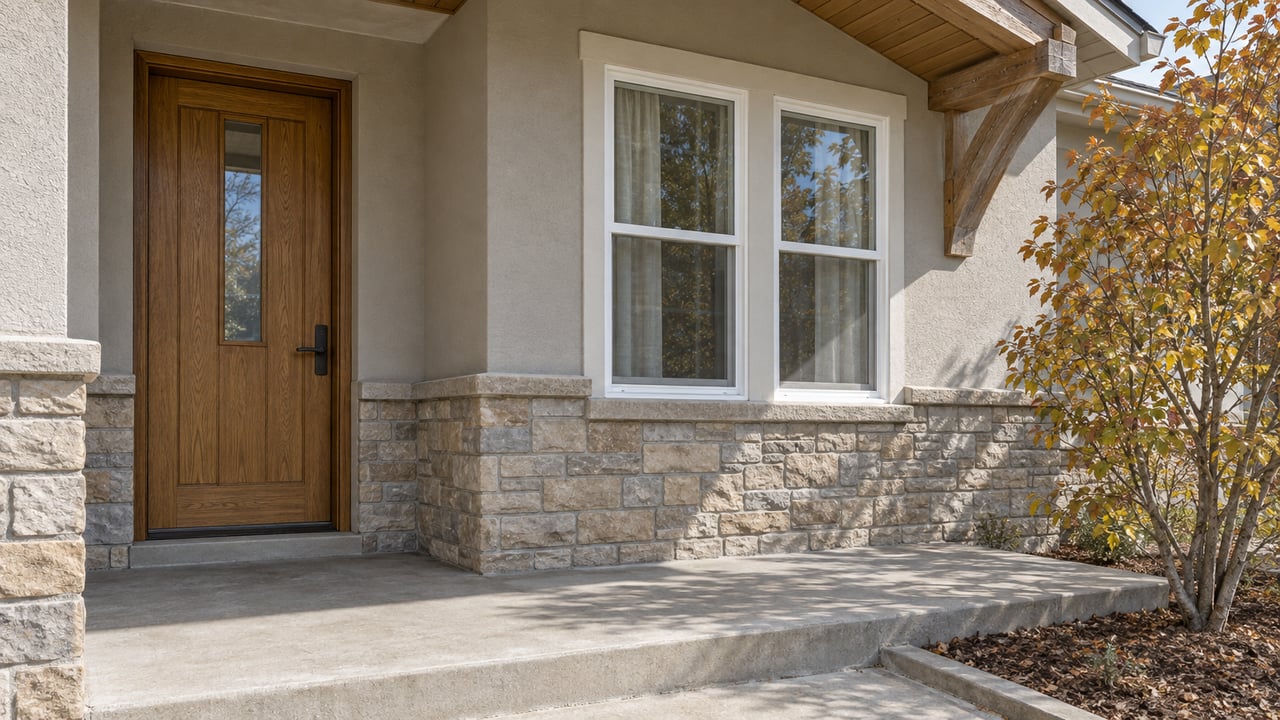
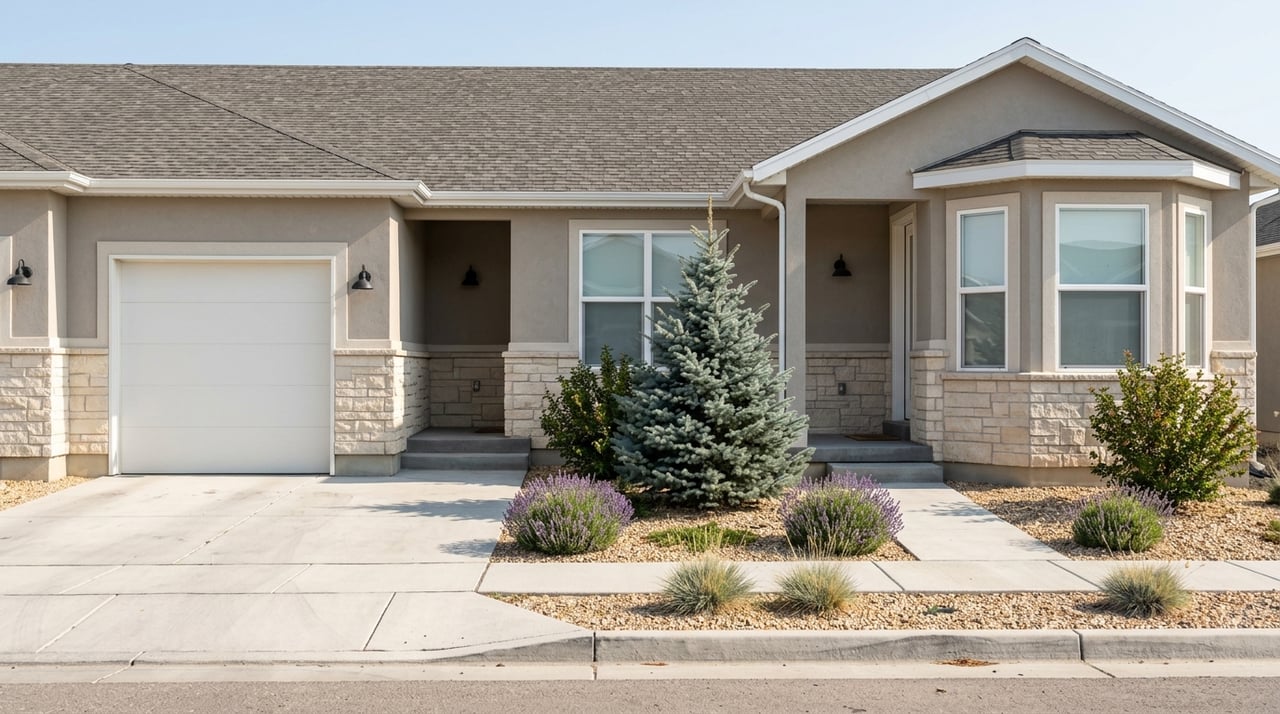
Highlands Ranch also includes a smaller but important group of patio-home and downsizing-friendly enclaves. The Village at Highlands Ranch is described as a community of 81 detached patio homes with single-level living, built between 1989 and 1993. The Retreat at the Links is also identified as a patio-home neighborhood and is now open to all ages.
These communities stand out because they offer detached living with a more manageable footprint. For many buyers, that can mean less day-to-day upkeep while still keeping the feel of a standalone home.
This category is worth a close look if you want simpler living without fully moving into a condo or townhome format. It can also be useful for buyers who are planning ahead and want easier main-level living.
Luxury And Gated Neighborhoods
At the high end of the market, BackCountry is the clearest luxury category in Highlands Ranch. HRCA describes it as a prestigious, gated, award-winning master-planned community of 1,100 acres. It is also described as including custom and semi-custom lots.
For buyers who prioritize privacy, views, and open-space adjacency, this is one of the standout segments of the local market. The setting and home types here are distinct from many of the broader suburban neighborhoods in the community.
This matters if you are comparing Highlands Ranch with other south metro options. The top end here is not just about square footage. It is also about setting, access to open land, and the feel of a more defined luxury enclave.
Golf-Course-Adjacent Homes
Golf-course-adjacent living is another recognizable sub-market in Highlands Ranch. The Highlands Ranch Golf Club, now the University of Denver Golf Club at Highlands Ranch, is an 18-hole semi-private course designed by Hale Irwin. HRCA also lists an HOA at Highlands Ranch Golf Club.
That tells you this is more than just a nearby amenity. It is a neighborhood type with its own identity in the community. Buyers looking in this category often focus on orientation, views, and whether a property sits directly on or near the course.
As with open-space homes, location within the neighborhood can shape the experience. Two homes in the same broader area may offer very different levels of privacy, outlook, and day-to-day feel.
Mixed-Use And Town Center Living
Not every part of Highlands Ranch is built around a purely residential pattern. Douglas County’s planned-development summary says the Civic Center was intended to be a vibrant, mixed-use, compact center with high-density residential housing near shops, work, recreation, and transit.
The same planning documents say community activity centers were designed to provide essentials such as groceries, health care, transit, and postal facilities. HRCA’s history adds that the first businesses opened in Town Center in 2004, Civic Green Park opened in 2005, and the later Central Park project added apartments, single-family homes, a UCHealth extension campus, shops, restaurants, and fitness studios.
If you want a more connected, convenience-focused lifestyle, these areas are worth extra attention. They offer one of the clearest alternatives to the quieter, more detached-home parts of Highlands Ranch.
What Changes From One Neighborhood To Another
Trails And Open Space Access
One of the biggest differences between neighborhoods is access to trails and open space. The Metro District manages 2,644 acres of open space and more than 70 miles of trail, and more than 4,700 homes back to open space. The trail system includes concrete, gravel, and single-track surfaces.
For you as a buyer, that can shape daily life in a real way. Some homes are positioned for direct open-space adjacency, while others trade that setting for a more central location near community services.
Convenience And Activity Hubs
Another major difference is how close you are to daily conveniences. HRCA says Highlands Ranch has convenient access to Park Meadows Mall, the Denver Tech Center, downtown Denver, and other business and entertainment centers. Within the community itself, the planning structure puts groceries, health care, transit, and other services closer to some residential pockets than others.
That means one neighborhood may feel more centered on errands and activity, while another may feel more residential in layout. Neither is inherently better. It depends on how you want your week to flow.
HOA Structure And Ongoing Costs
Highlands Ranch is also a layered HOA market, and that matters more than many buyers expect. HRCA says every homeowner belongs to the master association, while some neighborhoods have separate sub-associations with their own fees and responsibilities.
That can create real cost differences between homes that look similar on paper. HRCA also notes that certain subdivisions, including Gleneagles Village, The Retreat, The Villages, and Palomino Park, pay an administrative-only assessment structure at the master level. When you compare options, it is smart to ask not just what the dues are, but what they cover.
How To Narrow Your Search
If Highlands Ranch is on your list, start with lifestyle before you focus on finishes. A beautiful kitchen matters, but so does the setting around the home. The right fit often comes down to the type of neighborhood, not just the home itself.
Here are a few helpful questions to ask yourself:
- Do you want a detached home, attached home, or patio-home setup?
- Do you prefer open-space access or a more central, convenience-focused location?
- Are you comfortable with both master HOA dues and possible sub-association fees?
- Would you rather prioritize privacy, lower maintenance, golf adjacency, or mixed-use access?
- Are you looking for a broad suburban neighborhood or a more defined enclave such as BackCountry or Town Center?
Once you answer those questions, the search usually becomes much clearer. Instead of looking at all of Highlands Ranch as one market, you can focus on the sections that best match how you want to live.
Highlands Ranch works best when you understand it as a collection of neighborhood types inside one large planned community. That is what makes it appealing to such a wide range of buyers, from those seeking newer townhomes and patio homes to those targeting larger detached homes or gated luxury properties.
If you want help sorting through Highlands Ranch home styles, HOA structures, or which neighborhood type best fits your next move, Lane Lyon can help you compare options with clear, local guidance.
FAQs
What types of homes are available in Highlands Ranch?
- Highlands Ranch includes detached single-family homes, townhomes, condos, patio homes, golf-course-adjacent homes, mixed-use residential options, and gated luxury homes.
Which Highlands Ranch neighborhoods are best for low-maintenance living?
- The main low-maintenance categories include attached-home communities and patio-home enclaves such as Clocktower, Tresana, Highland Walk, Brownstones at Town Center, The Village, The Retreat, Gleneagles Village, and Palomino Park.
What makes BackCountry different in Highlands Ranch?
- BackCountry is the clearest luxury and gated neighborhood category in Highlands Ranch, with custom and semi-custom lots and a setting tied closely to open space.
Are all Highlands Ranch homes part of an HOA?
- Yes. HRCA says every homeowner is a member of the master association, and some neighborhoods also have sub-associations with separate boards and fees.
How much is the Highlands Ranch master HOA assessment?
- For most homeowners, HRCA lists the 2026 master assessment as $696 per year, or $174 per quarter.
Which Highlands Ranch areas feel most mixed-use or convenience-focused?
- Town Center, the Civic Center area, and later mixed-use areas such as Central Park are the strongest examples of Highlands Ranch locations planned around housing near shops, services, recreation, and transit.